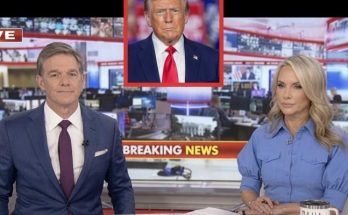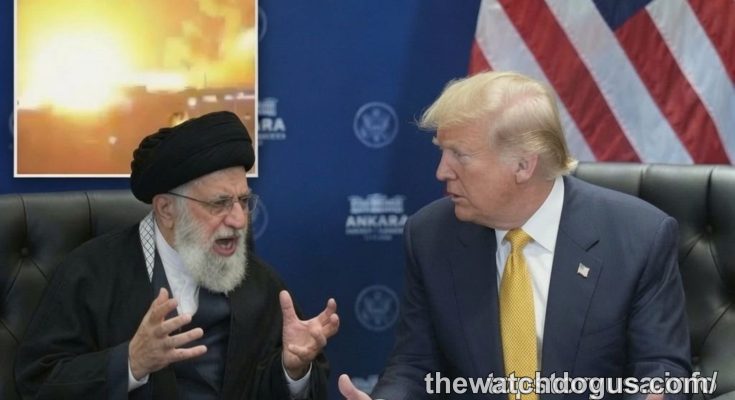
The preliminary accord, signed in June at the Palace of Versailles, had established a 60-day negotiation window focused on Iran’s nuclear program and potential sanctions relief. The agreement collapsed after Iran attacked three commercial ships in the strategic waterway this week, prompting the U.S. military response.

Trump’s Statement on Talks
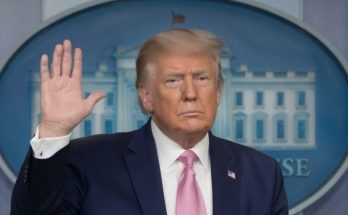
“To me, I think it’s over. I don’t want to deal with them anymore,” Trump said when asked about the deal’s status. The president characterized Iranian leadership as untrustworthy, stating the negotiations represented “a waste of time” given what he described as repeated deception.

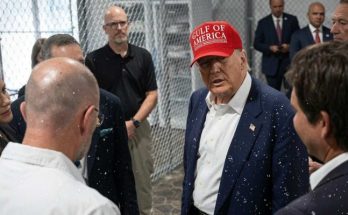
Trump also cited security concerns, noting “They want to take out the U.S. leader, me. I’m on every list.” His remarks signaled a complete abandonment of the diplomatic framework established just months earlier.

Iran’s Response
Iran’s Parliament Speaker Mohammad Bagher Ghalibaf rejected Trump’s position in a statement, declaring that “the era of bullying and extortion is over.” Tehran showed no indication of backing down following the military confrontation.

The two nations remain in dispute over control of the waterway, which handles roughly 20 percent of global oil exports annually. Iran had demanded vessels use a Tehran-approved shipping route rather than the path along the Omani coast favored by the U.S. and allied nations.

What’s at Stake
The collapsed agreement had outlined Iran’s nuclear program dismantlement alongside sanctions relief and unfreezing of Iranian assets. Tensions have escalated significantly since the June signing, with the latest military action marking a critical turning point in U.S.-Iran relations.
This story has been updated. CNN’s international affairs team contributed to this report.