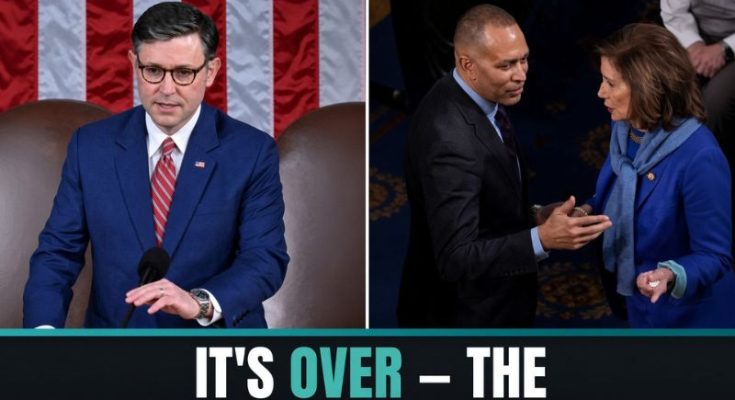
House leaders presented the bill as a practical answer to the affordability crisis facing millions of families. Speaker Mike Johnson said rising costs and limited quality supply affect nearly every household. He called the measure “a strong bipartisan package that will put more American families into homes.” Majority Leader Steve Scalise struck a similar note, arguing that lower housing costs would be welcome across the country.
At the heart of the legislation is a restriction on institutional investors. The House version keeps a ban on large corporate buyers purchasing newly constructed single-family homes, a priority aligned with the Trump administration. Financial Services Committee Chairman French Hill said the bill expands homeownership, improves affordability, cuts regulations that inflate costs, and boosts supply. “Importantly, it delivers on President Trump’s call to limit institutional investors from competing with the American people as they seek to purchase a home,” Hill said. A White House official confirmed support for the House version after the changes were made.
Lawmakers rejected a stricter Senate idea that would have required large institutional landlords already holding single-family rentals to sell those properties within seven years. That approach had backing from some progressives, including Sen. Elizabeth Warren. The House instead chose a narrower rule that blocks future purchases without forcing existing owners to divest, a step supporters said would avoid disrupting current renters.
Public opinion appears to favor limits on big investors. A recent survey found that seven in ten voters support banning major investors who already own more than 350 homes from buying additional residential properties.
The lopsided vote did not eliminate all Republican dissent. The 13 “no” votes came mainly from Freedom Caucus-aligned members who objected to language on central bank digital currencies rather than the housing provisions themselves. The bill temporarily blocks a government-backed digital currency through 2030. Rep. Warren Davidson argued that a temporary ban offers “political cover today, a clear runway tomorrow” and said Congress should either make the prohibition permanent or remove it.
Because the House amended the Senate’s earlier version instead of passing it unchanged, the upper chamber must now decide whether to accept the changes, negotiate further, or let the package stall. The most likely flashpoint is the dropped requirement that existing institutional landlords sell off single-family homes. The Senate’s 60-vote threshold remains a significant hurdle.
Even so, the House margin gives the bill momentum. Housing affordability is a persistent voter concern amid high mortgage rates, tight inventory, and competition from well-capitalized corporate buyers. Republicans see a clear political opening. Democrats also face risk if they are seen as opposing limits on investor purchases of homes that ordinary families want to buy.
Whether the Senate moves quickly or becomes mired in procedure will determine if Congress can deliver a tangible housing result before voters go to the polls. The House vote showed unusual consensus on the core problem: too many families are priced out of ownership while large investors continue to compete for the same limited stock of single-family homes. The Senate now has to decide how far it is willing to go to address that imbalance.