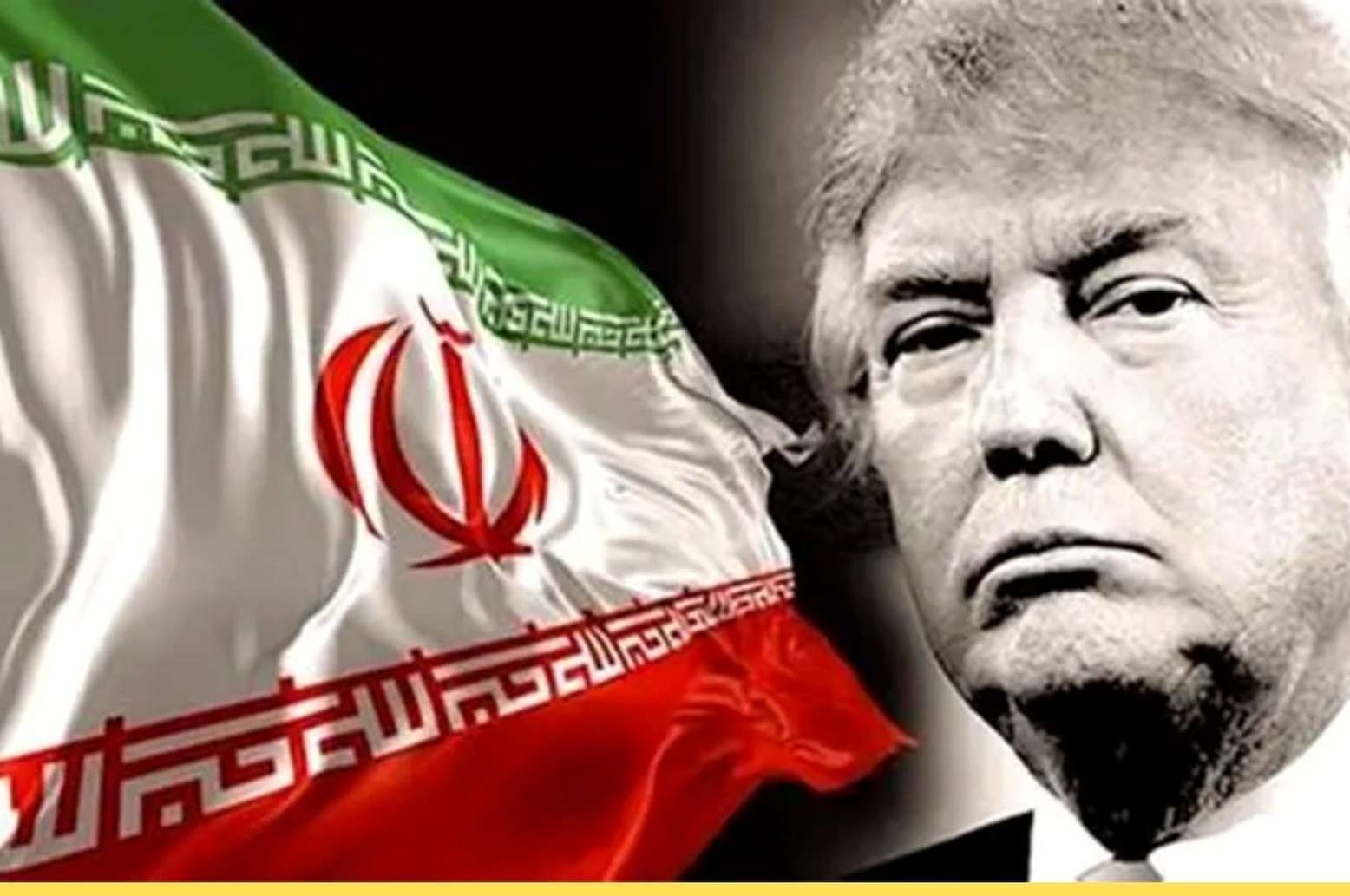
President Donald Trump said Iran has agreed to allow additional oil tankers to pass through the Strait of Hormuz, describing the move as a “tribute” to the United States as negotiations continue over a potential end to the escalating conflict
President Donald Trump said Iran has agreed to allow additional oil tankers to pass through
President Donald Trump said Iran has agreed to allow additional oil tankers to pass through the Strait of Hormuz, describing the move as a “tribute” to the United States as negotiations continue over a potential end to the escalating conflict.
Speaking to reporters aboard Air Force One, Trump said Iran had expanded an earlier concession involving 10 tankers to include 20 more vessels, signaling what he characterized as a step toward de-escalation.
“They gave us… 20 boats of oil. Big, big boats going through the Hormuz Strait,” Trump said. “That’s taking place starting tomorrow morning.”
The announcement builds on what Trump previously described as an initial “gift” earlier in the week, tied to ongoing discussions between U.S. officials and Iranian representatives. The Strait of Hormuz remains central to the negotiations, given its strategic role as a global energy chokepoint.
Before the conflict began in late February, the narrow waterway handled roughly one-third of global oil exports. Since then, traffic has reportedly dropped by as much as 90 percent, contributing to volatility in global energy markets and raising concerns among U.S. allies and international partners.
Administration officials have framed Iran’s decision to allow limited tanker passage as a positive signal, though questions remain about the scope and durability of the arrangement. Iranian officials have downplayed the move, suggesting the shipments reflect routine regional trade rather than a concession tied directly to U.S. demands.
Trump, however, portrayed the development as part of broader progress in negotiations. “We’re dealing directly,” he said, adding that discussions are ongoing and evolving.
At the same time, the president coupled his optimism with a renewed warning that the
At the same time, the president coupled his optimism with a renewed warning that the United States is prepared to escalate if a deal is not reached.
In a separate statement, Trump said he could “blow up and completely obliterate” key elements of Iran’s infrastructure—including electric plants, oil facilities, and strategic export hubs—if Tehran refuses to reopen the Strait of Hormuz fully and agree to terms.
The warning underscores the high-stakes nature of the negotiations, which are unfolding alongside an ongoing U.S. and allied military campaign targeting Iranian capabilities.
The administration has steadily increased its military presence in the region, deploying additional naval assets, Marine units, and elements of the 82nd Airborne Division. Amphibious ships, including the USS Tripoli, have been positioned to support a range of operations, including the possibility of ground involvement.
When asked about potential U.S. ground operations, Trump declined to provide specifics but suggested multiple contingencies remain under consideration. “I just have lots of alternates,” he said. “We have tremendous numbers of ships over there… we’re weeks ahead of schedule.”
The Pentagon is reportedly preparing for a range of scenarios, including a potential ground campaign that could extend for several weeks, though no final decision has been announced.
The dual track approach—combining military pressure with diplomatic engagement—has produced mixed signals in global markets
The dual-track approach—combining military pressure with diplomatic engagement—has produced mixed signals in global markets. Energy prices have fluctuated sharply in response to developments, with oil prices rising amid fears of prolonged disruption while equities have reacted to signs of possible progress in negotiations.
International reaction has also been divided. Some analysts view the tanker concessions as an incremental step toward stabilizing the situation, while others caution that the limited scope of the agreement may not significantly alter broader supply constraints unless fully expanded.
The situation is further complicated by Iran’s internal deliberations, including reports that Tehran is considering withdrawing from the Nuclear Non-Proliferation Treaty (NPT), a move that could escalate tensions and complicate diplomatic efforts.
U.S. intelligence officials have long warned that Iran’s nuclear enrichment activities could shorten its path to developing a nuclear weapon, making the outcome of current negotiations particularly consequential.
The next phase of negotiations is expected to focus on securing a broader reopening of the Strait of Hormuz and formalizing commitments that could bring the conflict to a close.
On Tuesday, it was reported that ship traffic was increasing in the Strait of Hormuz.