April 6, 2026 – by ks – Leave a Comment JD Vance’s recent comments on potential peacekeeping forces in Ukraine have sparked sharp backlash in the United Kingdom, particularly among military veterans and political leaders. In an interview, the U.S. Vice President argued that an American economic stake in Ukraine—such as a critical minerals deal—would offer a stronger security guarantee than “20,000 troops from some random country that hasn’t fought a war in 30 or 40 years.
April 6, 2026 by ks Leave a Comment
April 6, 2026 – by ks – Leave a Comment
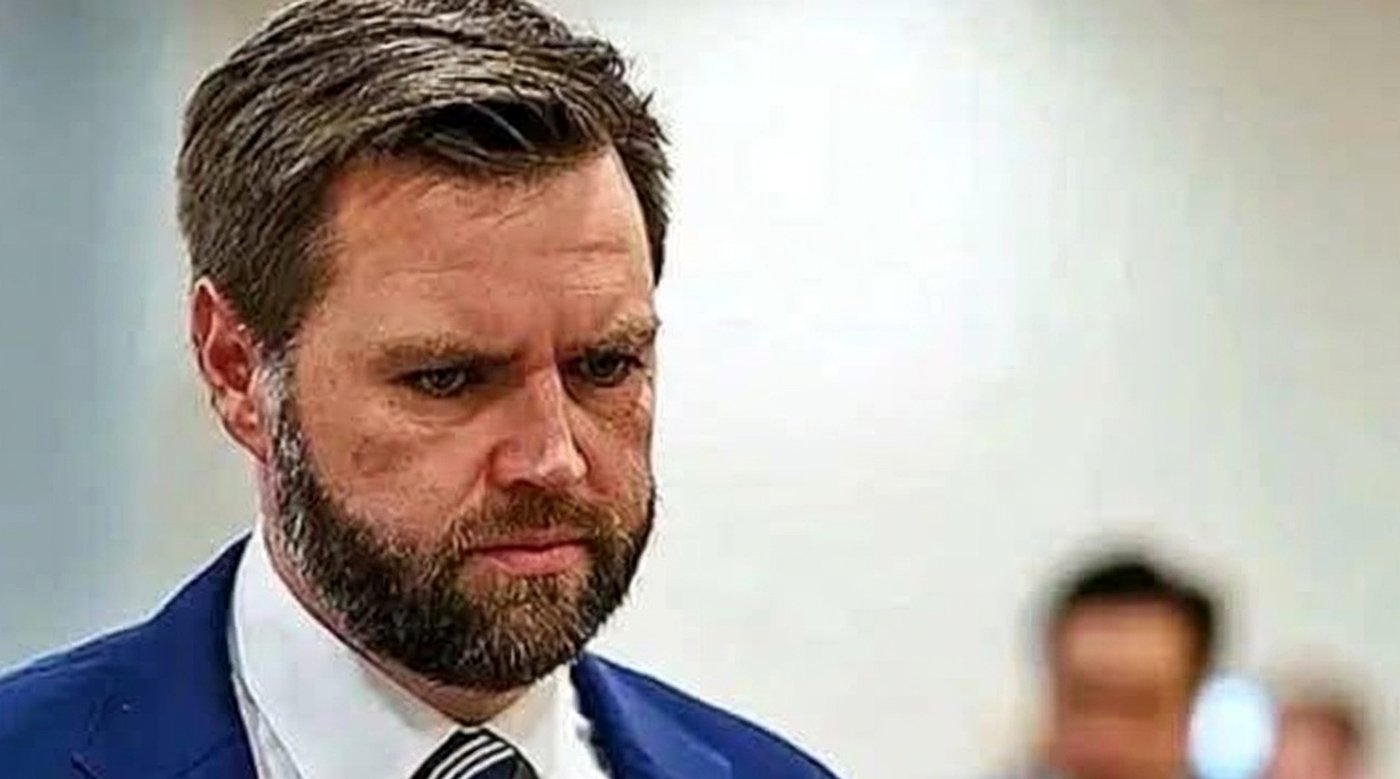
JD Vance’s recent comments on potential peacekeeping forces in Ukraine have sparked sharp backlash in the United Kingdom, particularly among military veterans and political leaders. In an interview, the U.S. Vice President argued that an American economic stake in Ukraine—such as a critical minerals deal—would offer a stronger security guarantee than “20,000 troops from some random country that hasn’t fought a war in 30 or 40 years.” Though Vance did not name specific nations, the remarks were widely interpreted as a slight against longstanding NATO allies like the UK and France, who had publicly offered to contribute troops to a postwar mission.
The response from Britain was swift and forceful. Veterans and former service members, including prominent figures like Johnny Mercer and Andy McNab, pushed back firmly. They highlighted the deep sacrifices made by UK forces fighting shoulder-to-shoulder with American troops in Iraq and Afghanistan. British soldiers were not mere symbolic partners, they stressed, but active combatants who paid a heavy price in blood alongside their U.S. counterparts. Hundreds of UK personnel lost their lives in these joint operations, a shared history that many felt the comments overlooked or diminished.
Political leaders quickly joined the chorus
Political leaders quickly joined the chorus. Prime Minister Keir Starmer and senior military officials underscored the value of mutual respect within the alliance. For them, the controversy extended beyond immediate policy debates over Ukraine; it touched on the fundamental need to honor collective memory and the bonds forged through decades of cooperation. Critics warned that dismissive language risked eroding trust between close partners at a time when unity against common threats remains essential.
Vance moved to clarify his position soon afterward. He stated explicitly that his remarks were not aimed at the UK or France, praising both nations for having “fought bravely alongside the US over the last 20 years, and beyond.” Instead, he directed the criticism toward countries offering support without significant battlefield experience or capable equipment. While the clarification helped temper some immediate anger, it did not entirely quell concerns, especially since the UK and France were among the few nations openly committing troops to the proposed mission.
At its core, the episode reveals a deeper truth about international alliances
At its core, the episode reveals a deeper truth about international alliances. Partnerships like the one between the United States and the United Kingdom rest not only on treaties and strategic interests but also on intangible elements: respect, careful rhetoric, and genuine acknowledgment of shared sacrifice. Words spoken in the heat of policy discussion can carry unintended weight, particularly when they intersect with themes of service, loss, and historical loyalty.
In the end, this controversy serves as a timely reminder. The trust binding allies is resilient, built over generations of joint endeavors, but it is also fragile. It demands constant care and cannot be taken for granted, especially in an era of complex global challenges where solidarity is more vital than ever.