President Donald J. Trump said the U.S. conflict with Iran is “very close to over,” pointing to what the administration views as overwhelming pressure on Tehran following weeks of military and economic escalation
Trump said the U.S
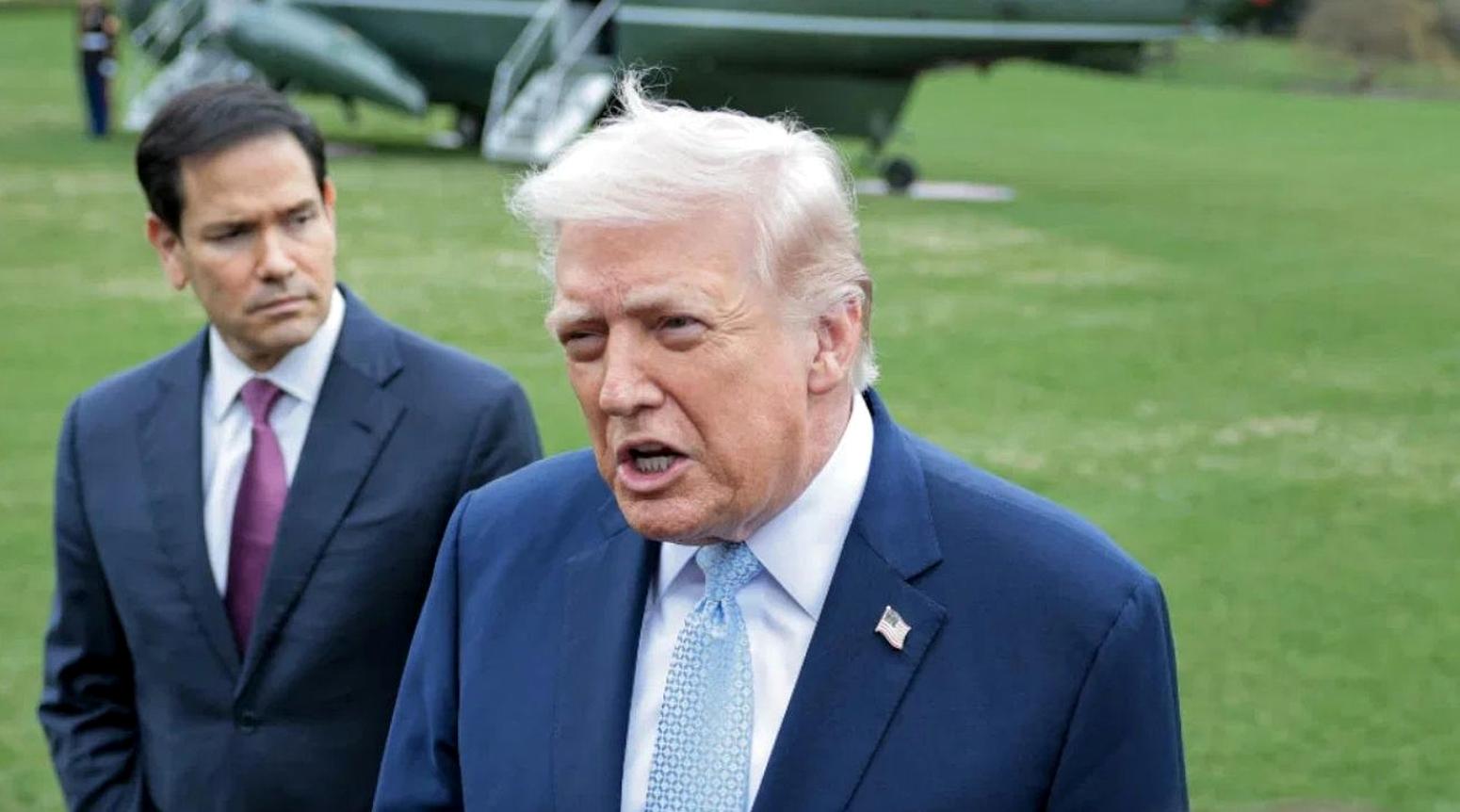
President Donald J. Trump said the U.S. conflict with Iran is “very close to over,” pointing to what the administration views as overwhelming pressure on Tehran following weeks of military and economic escalation.
The remarks came after Fox Business host Maria Bartiromo suggested Trump had described the war as already finished. However, in recorded comments, Trump stopped short of declaring a formal end.
“I think it’s close to over, yeah,” Trump said. “I view it as very close to over… We’re not finished. We’ll see what happens.”
The distinction reflects a broader reality: while active large-scale combat has slowed under a temporary ceasefire, the U.S. campaign has placed Iran in a significantly constrained position.
The conflict began on Feb. 28 with coordinated U.S. and Israeli strikes targeting Iran’s nuclear infrastructure and military assets. Since then, the Trump administration has expanded its strategy to include a naval blockade and intensified economic pressure.
The blockade of Iranian ports, particularly around the Strait of Hormuz, has emerged as a central tool. By restricting maritime traffic and targeting oil exports, the U.S. has directly hit Iran’s primary revenue stream, compounding the effects of existing sanctions.
Administration officials argue that this combination of military strikes and economic isolation has sharply degraded Iran’s ability to sustain prolonged conflict. Trump himself has framed the situation as one in which Iran’s long-term capacity has been severely damaged.
If I pulled up stakes right now, it would take them 20 years to rebuild
“If I pulled up stakes right now, it would take them 20 years to rebuild that country,” he said.
At the same time, indirect negotiations are underway, with Pakistan acting as an intermediary. While no agreement has been finalized, Trump indicated that Iran is showing increased willingness to engage.
“I think they want to make a deal very badly,” he said.
The current phase follows a two-week ceasefire that paused major hostilities but left key disputes unresolved. Confusion over the scope of the agreement — particularly regarding Israeli operations in Lebanon — has underscored the fragile nature of the pause.
Despite that uncertainty, the strategic balance appears to have shifted. Iran continues to face mounting economic strain, while its ability to escalate militarily is constrained by the risk of further U.S. action.
The key question now is whether that pressure translates into a negotiated outcome or triggers another phase of escalation.
Trump’s comments suggest confidence that the current trajectory favors the United States, even as he
Trump’s comments suggest confidence that the current trajectory favors the United States, even as he acknowledges the conflict is not yet fully resolved.
For now, the war is not officially over. But by the administration’s own assessment, the balance has shifted significantly — and the endgame may be approaching.
The administration’s posture suggests a calculated effort to lock in strategic gains without committing to a prolonged conflict. By signaling that the war is nearing its end, while maintaining pressure points such as the naval blockade and sanctions, officials appear to be positioning the U.S. to negotiate from what they see as a position of strength.
At the same time, the messaging reflects a balancing act. Declaring the war fully “over” could risk undermining leverage in ongoing talks, while acknowledging that operations are still underway reinforces the idea that pressure will continue until concrete concessions are secured.
Regional dynamics also remain a factor. Iran’s ability to influence proxy groups and disrupt shipping lanes means that even in a weakened state, it retains tools to complicate any resolution. That reality has kept U.S. military assets in place, even as the pace of direct conflict has slowed.
The coming days are likely to be critical. With indirect talks ongoing and military pressure still in effect, both Washington and Tehran are navigating a narrow window where diplomacy and deterrence are operating simultaneously.