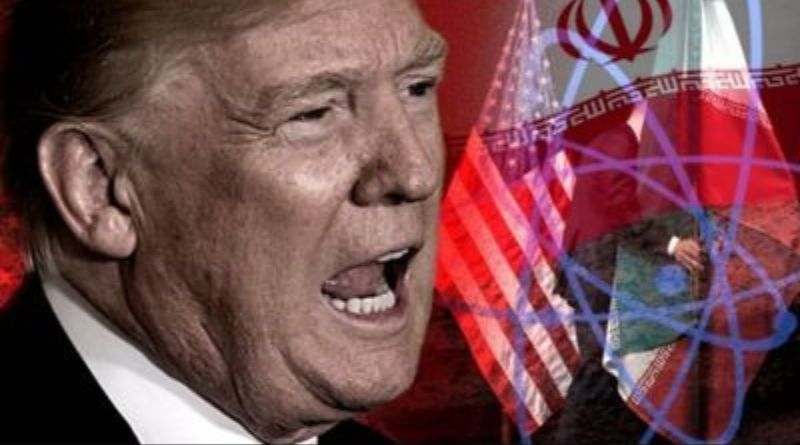
U.S. intelligence agencies are analyzing an encrypted communication believed to have originated in Iran that may have been intended for covert operatives overseas, according to an alert cited by ABC News.
Officials described the message as a potential “operational trigger” aimed at what analysts call sleeper assets—individuals quietly embedded in foreign countries who remain inactive until they receive instructions.
The transmission was detected shortly after reports that Iranian Supreme Leader Ali Khamenei had been killed in a joint U.S.-Israeli airstrike in Tehran on Feb. 28. Iranian authorities subsequently elevated his son, Mojtaba Khamenei, to the role of supreme leader.
According to the intelligence alert, the encrypted signal passed through multiple countries and was flagged by U.S. monitoring systems. Analysts concluded that the communication likely originated from Iran and may have been meant for clandestine recipients capable of decoding it using prearranged passcodes.
Officials noted that the signal displayed traits consistent with “international rebroadcast characteristics,” a method that allows coded instructions to be distributed over long distances without relying on internet-based channels.
The alert indicated that the transmissions resemble techniques historically used to deliver directions to covert operatives or sleeper assets while avoiding internet communications.
According to ABC News, the alert stated that the signals could “be intended to activate or provide instructions to prepositioned sleeper assets operating outside the originating country.”
Security officials have grown increasingly concerned about the possible presence of Iranian sleeper cells within the United States as the conflict enters its second week.
Last year, the Daily Mail reported on what it called a “passport pipeline,” in which operatives tied to Iran traveled through Venezuela before reaching Western countries. The route could allow such networks to establish a presence near the United States.
Tensions have continued to rise as fighting intensifies among Iran, the United States, and Israel. Relations between Washington and Jerusalem have reportedly become strained after Israeli forces bombed Iranian oil depots—an action that alarmed White House officials who worry it could drive up gasoline prices for Americans.
Security experts warn that potential threats could come from both lone individuals sympathetic to Tehran and organized sleeper networks awaiting instructions.
In an interview with the Daily Mail, Charles Marino—a former adviser to the Department of Homeland Security and former Secret Service supervisor—said the United States could be confronting a “convergence” of threats.
“Is it possible you have 10, 15, 20 people in the country that are part of a cell that then go out and carry out simultaneous or near-simultaneous attacks? Yes,” Marino said.
He added that terrorists seeking to inflict the greatest number of casualties would likely target “soft” locations such as concerts, sporting events, public venues, and other crowded gatherings.
One major concern is the upcoming World Cup, which has been designated a National Special Security Event and is expected to draw large international crowds.
White House press secretary Karoline Leavitt praised President Trump’s military actions against Iran over the weekend, calling the administration’s efforts “a resounding success” following what officials described as threats to U.S. security amid rising Middle East tensions.
Leavitt made the comments as the United States continues operations under Operation Epic Fury, a campaign targeting Iranian missile facilities, the country’s nuclear program, and its leadership.
“Under the leadership of President Donald J. Trump, the rogue Iranian terrorist regime is being absolutely crushed,” Leavitt said during a Wednesday afternoon news briefing, adding that more than 2,000 targets have been struck so far. “Iran’s murderous, terrorist leaders are paying for their crimes against America — and they are paying in blood.”
Leavitt also said Trump is “correcting decades of cowardice” in U.S. foreign policy toward Iran, adding that the current commander-in-chief is determined to eliminate the threat once and for all.
“President Trump is finally the man of action. President Trump does not bluff,” she said.