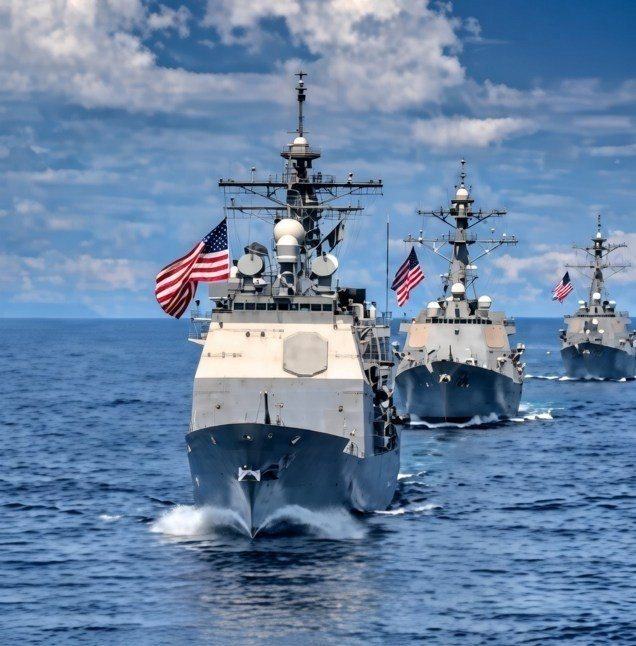
The U.S. Launches the War in late February 2026 with coordinated strikes alongside Israel. The attacks targeted Iranian military sites and triggered a wider regional conflict.
Air and missile strikes quickly expanded across several fronts. Iran responded with ballistic missiles and drones targeting Israel and U.S. positions.
Origins of the Conflict Behind U.S. Launches the War
The crisis developed over decades of tension between Iran, Israel, and the United States. Disputes involved regional influence, security alliances, and Iran’s nuclear ambitions.
Missile exchanges and proxy conflicts increased during 2024 and 2025. Attacks on commercial shipping in the Red Sea also raised tensions.
U.S. Launches the War With Joint Strikes
On 28 February 2026, U.S. and Israeli forces launched coordinated airstrikes inside Iran. The strikes hit military targets in Tehran, Isfahan, and Qom.
Pentagon sources said the operation targeted missile launchers, drone bases, and command facilities. The mission carried the code name Operation Epic Fury.
Military Escalation Across the Region
U.S. and Israeli forces used bombers and cruise missiles in early attacks. Naval aircraft from the USS Abraham Lincoln also supported the operations.
Iran responded with missile and drone strikes across the Gulf region. Targets included Israel and U.S. bases in Kuwait, Bahrain, Saudi Arabia, Qatar, and the United Arab Emirates.
Global Reactions and Economic Effects
International reactions remain divided as the conflict expands. The United Nations called for diplomacy to prevent further escalation.
Oil prices rose above 100 dollars per barrel during the crisis. Financial markets also showed volatility amid energy supply concerns.