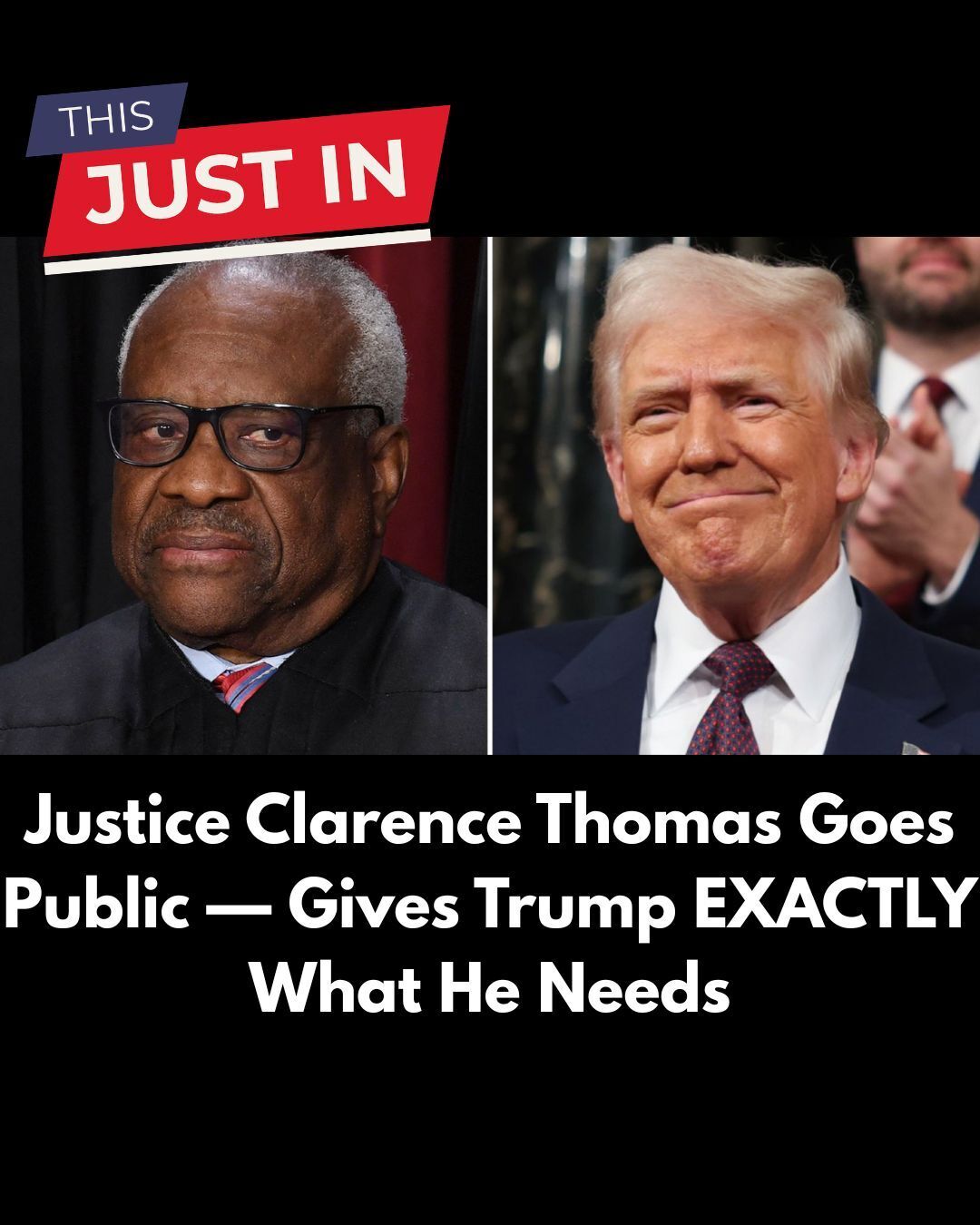
The U.S. Supreme Court ruled 6–3 to block President Donald Trump from using an emergency law to impose high tariffs on most U.S. trading partners without approval from Congress. The decision was a major setback for Trump because the tariffs were a key part of his economic policy, which he argued was necessary to protect the U.S. economy.
Three justices—Clarence Thomas, Brett Kavanaugh, and Samuel Alito—dissented from the ruling. In his dissent, Thomas argued that both the law and the Constitution allow a president to regulate imports, which historically has included the power to impose tariffs. He said Congress has long been able to delegate such powers to the president and has done so many times throughout U.S. history.
Legal experts say the issue may not be completely settled. Law professor Jonathan Turley noted that the administration could still use other laws to impose tariffs. Meanwhile, Kavanaugh warned that the decision could have serious practical consequences, including the possibility that the government may have to refund billions of dollars to importers who already paid the tariffs. Lower courts had previously ruled that the emergency law did not give the president unlimited authority to impose tariffs, and the Supreme Court’s decision leaves those limits in place.