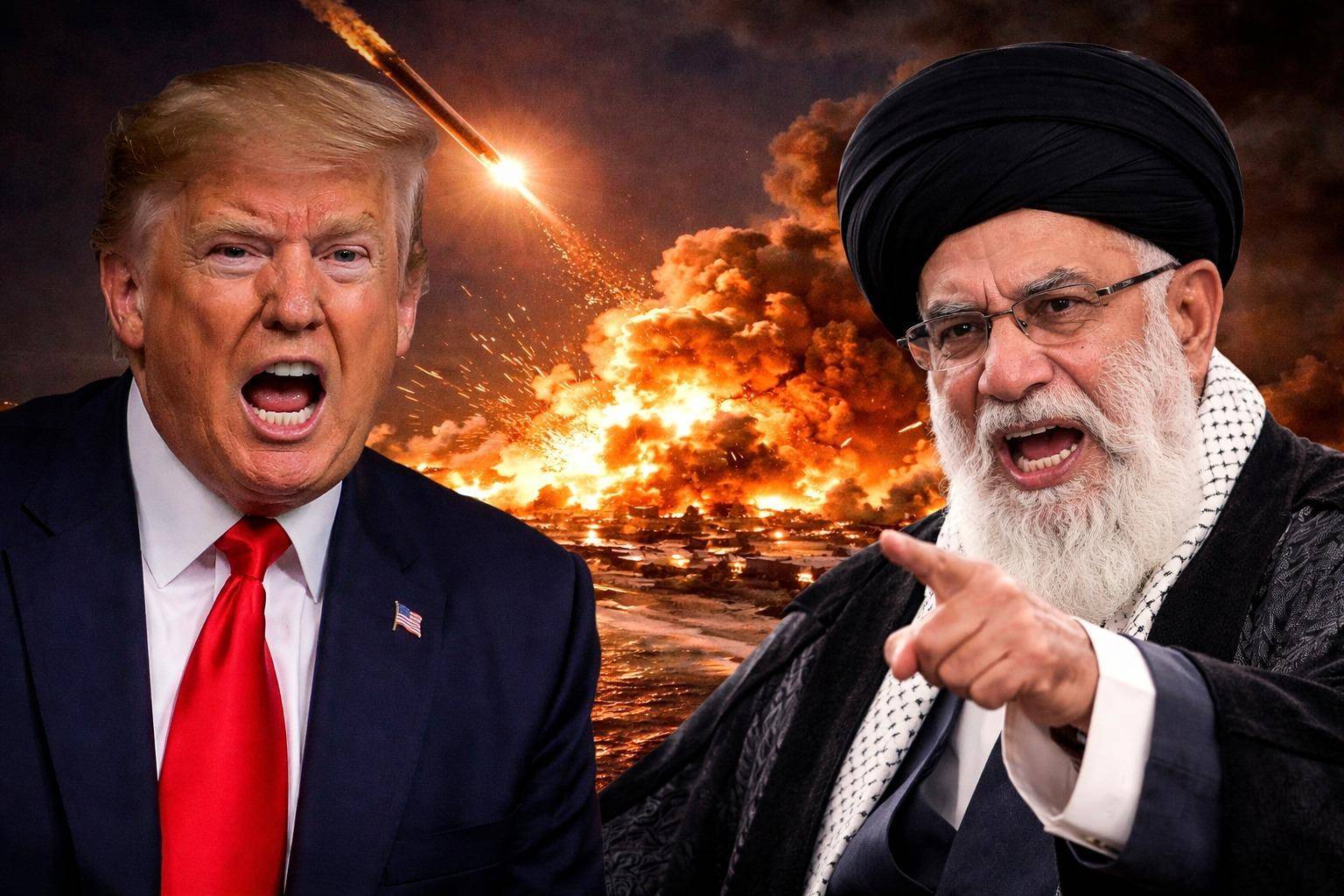
A storm of fire almost ignited the world’s most fragile chokepoint. What began as a routine U.S. transit through the Strait of Hormuz reportedly turned, in minutes, into a duel of missiles, countermeasures, and retaliatory strikes.
The margin between restraint and catastrophe shrank to alar On March 1, 2026, the familiar choreography of patrols and warnings in the Strait of Hormuz appears to have been replaced, however briefly, by the raw mechanics of modern warfare. Anti-ship missiles arcing off the Iranian coastline, U.
S. interceptors tearing upward to meet them, electronic warfare systems straining to blind hostile radars—each move calculated
in seconds, yet carrying consequences that could last for years. That no U. S.
ship was reportedly struck does little to soften the gravity of a moment when the unspoken rules were tested so openly.
The swift American counterstrikes on suspected launch sites underscored both capability and risk. Every radar silenced, every battery hit,
In such a narrow corridor
In such a narrow corridor,
miscalculation is not a theoretical danger but a constant shadow. The incident will likely be dissected in war colleges and ministries alike, not as an isolated clash, but as a warning about how quickly routine can fracture—and how much now
depends on whether leaders treat this as a lesson in brinkmanship, or a final caution before the next, potentially irreversible, step.