Dan Bongino FBI Deputy Director Appointment Reshapes Debate

The appointment of Dan Bongino as Deputy Director of the Federal Bureau of Investigation has triggered intense debate in Washington. The decision by Donald Trump is widely viewed as a signal of a changing approach toward the nation’s intelligence agencies. For years, tensions have existed between conservative political figures and federal investigative institutions. Supporters of the move argue that bringing someone from outside the traditional FBI leadership structure could introduce fresh perspectives and strengthen accountability. Critics, however, warn that the decision risks further politicizing a key law-enforcement agency. Before entering the media world, Bongino served as an agent with the United States Secret Service, where he worked on protective details for national leaders. After leaving government service, he became a well-known conservative commentator and built a large audience through his podcast and radio program, The Dan Bongino Show. The controversy surrounding his appointment intensified after Bongino publicly criticized Adam Schiff during one of his broadcasts. He accused Schiff of promoting what he called the “Russia collusion hoax,” referring to investigations into alleged connections between Trump’s 2016 campaign and Russian officials. Bongino argued the inquiry was politically motivated and intended to damage Trump’s presidency. The debate has also been influenced by a decision made by former President Joe Biden, who issued a controversial preemptive pardon linked to Schiff’s work on the United States House Select Committee on the January 6 Attack. As deputy director, Bongino has suggested he may initiate internal reviews of past investigations. Supporters say such efforts could restore trust in federal law enforcement, while critics fear they could deepen political divisions surrounding the FBI.

Dan Bongino FBI Deputy Director Appointment Reshapes Debate Read More

Dan Bongino FBI Deputy Director Appointment Reshapes Debate

The appointment of Dan Bongino as Deputy Director of the Federal Bureau of Investigation has triggered intense debate in Washington. The decision by Donald Trump is widely viewed as a signal of a changing approach toward the nation’s intelligence agencies. For years, tensions have existed between conservative political figures and federal investigative institutions. Supporters of the move argue that bringing someone from outside the traditional FBI leadership structure could introduce fresh perspectives and strengthen accountability. Critics, however, warn that the decision risks further politicizing a key law-enforcement agency. Before entering the media world, Bongino served as an agent with the United States Secret Service, where he worked on protective details for national leaders. After leaving government service, he became a well-known conservative commentator and built a large audience through his podcast and radio program, The Dan Bongino Show. The controversy surrounding his appointment intensified after Bongino publicly criticized Adam Schiff during one of his broadcasts. He accused Schiff of promoting what he called the “Russia collusion hoax,” referring to investigations into alleged connections between Trump’s 2016 campaign and Russian officials. Bongino argued the inquiry was politically motivated and intended to damage Trump’s presidency. The debate has also been influenced by a decision made by former President Joe Biden, who issued a controversial preemptive pardon linked to Schiff’s work on the United States House Select Committee on the January 6 Attack. As deputy director, Bongino has suggested he may initiate internal reviews of past investigations. Supporters say such efforts could restore trust in federal law enforcement, while critics fear they could deepen political divisions surrounding the FBI.

Dan Bongino FBI Deputy Director Appointment Reshapes Debate Read More

“Thirty Quiet Minutes in Washington: A Moment of Reflection for Donald Trump”

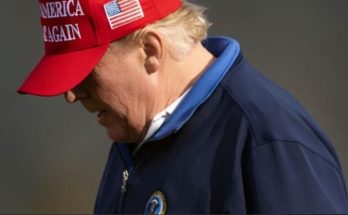
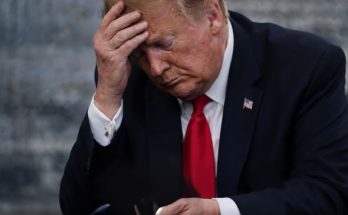
The stillness that settled over Washington, D.C., that morning felt unusual—not dramatic, but unfamiliar. The nation’s capital is normally defined by motion: motorcades gliding through traffic, reporters calling out questions, and the steady choreography of political life. Yet for a brief period, the pace seemed to slow. In that quiet moment stood Donald Trump, facing what many observers would later describe as a quietly consequential point in time. There were no rallies or roaring crowds, no carefully staged speeches delivered to eager supporters. Instead, there was restraint. Those who watched closely noticed a subtle change in his presence. It was not collapse or defeat, but a visible weight that softened the certainty often associated with him. The familiar projection of unwavering confidence seemed tempered by a stillness that suggested reflection. It was the kind of moment that does not loudly announce itself, yet lingers precisely because of what remains unsaid. For years, Trump’s public image has been defined by momentum—confidence projected outward and authority reinforced through repetition. That persona endured controversy, legal pressure, electoral loss, and relentless scrutiny. Yet here, removed from the noise that usually surrounded him, the contrast was striking. This was not the Trump of campaign stages or executive announcements. It was a former president standing in the aftermath of power, aware that history had shifted from anticipation to evaluation. Observers were careful not to overinterpret the scene. The moment did not display weakness. Instead, it hinted at acknowledgment—an understanding that decisions once framed as bold or disruptive had moved fully into the historical record. The future, which often serves as a political shield, had narrowed into the present. Questions of accountability—legal, political, and historical—were no longer distant possibilities but ongoing realities. What unfolded during those thirty minutes was less a political performance than a human pause. Stripped of slogans and spectacle, Trump appeared less like a symbol and more like an individual confronting the narrowing space between legacy and judgment. Leadership, after all, does not end when office is vacated. Its effects continue to echo through institutions, public debate, and the collective memory of a nation.  As the day progressed and Washington returned to its familiar rhythm, the moment passed quietly. Yet for those paying attention, it felt like a threshold—one where power had receded and reflection had begun.

“Thirty Quiet Minutes in Washington: A Moment of Reflection for Donald Trump” Read More
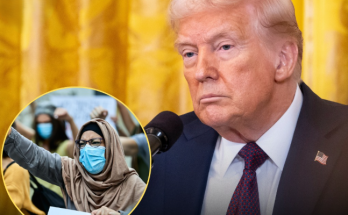
“Thirty Quiet Minutes in Washington: A Moment of Reflection for Donald Trump”

The stillness that settled over Washington, D.C., that morning felt unusual—not dramatic, but unfamiliar. The nation’s capital is normally defined by motion: motorcades gliding through traffic, reporters calling out questions, and the steady choreography of political life. Yet for a brief period, the pace seemed to slow. In that quiet moment stood Donald Trump, facing what many observers would later describe as a quietly consequential point in time. There were no rallies or roaring crowds, no carefully staged speeches delivered to eager supporters. Instead, there was restraint. Those who watched closely noticed a subtle change in his presence. It was not collapse or defeat, but a visible weight that softened the certainty often associated with him. The familiar projection of unwavering confidence seemed tempered by a stillness that suggested reflection. It was the kind of moment that does not loudly announce itself, yet lingers precisely because of what remains unsaid. For years, Trump’s public image has been defined by momentum—confidence projected outward and authority reinforced through repetition. That persona endured controversy, legal pressure, electoral loss, and relentless scrutiny. Yet here, removed from the noise that usually surrounded him, the contrast was striking. This was not the Trump of campaign stages or executive announcements. It was a former president standing in the aftermath of power, aware that history had shifted from anticipation to evaluation. Observers were careful not to overinterpret the scene. The moment did not display weakness. Instead, it hinted at acknowledgment—an understanding that decisions once framed as bold or disruptive had moved fully into the historical record. The future, which often serves as a political shield, had narrowed into the present. Questions of accountability—legal, political, and historical—were no longer distant possibilities but ongoing realities. What unfolded during those thirty minutes was less a political performance than a human pause. Stripped of slogans and spectacle, Trump appeared less like a symbol and more like an individual confronting the narrowing space between legacy and judgment. Leadership, after all, does not end when office is vacated. Its effects continue to echo through institutions, public debate, and the collective memory of a nation.  As the day progressed and Washington returned to its familiar rhythm, the moment passed quietly. Yet for those paying attention, it felt like a threshold—one where power had receded and reflection had begun.

“Thirty Quiet Minutes in Washington: A Moment of Reflection for Donald Trump” Read More