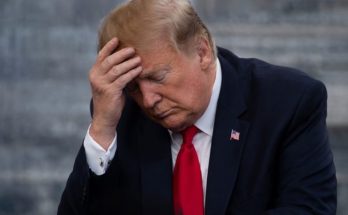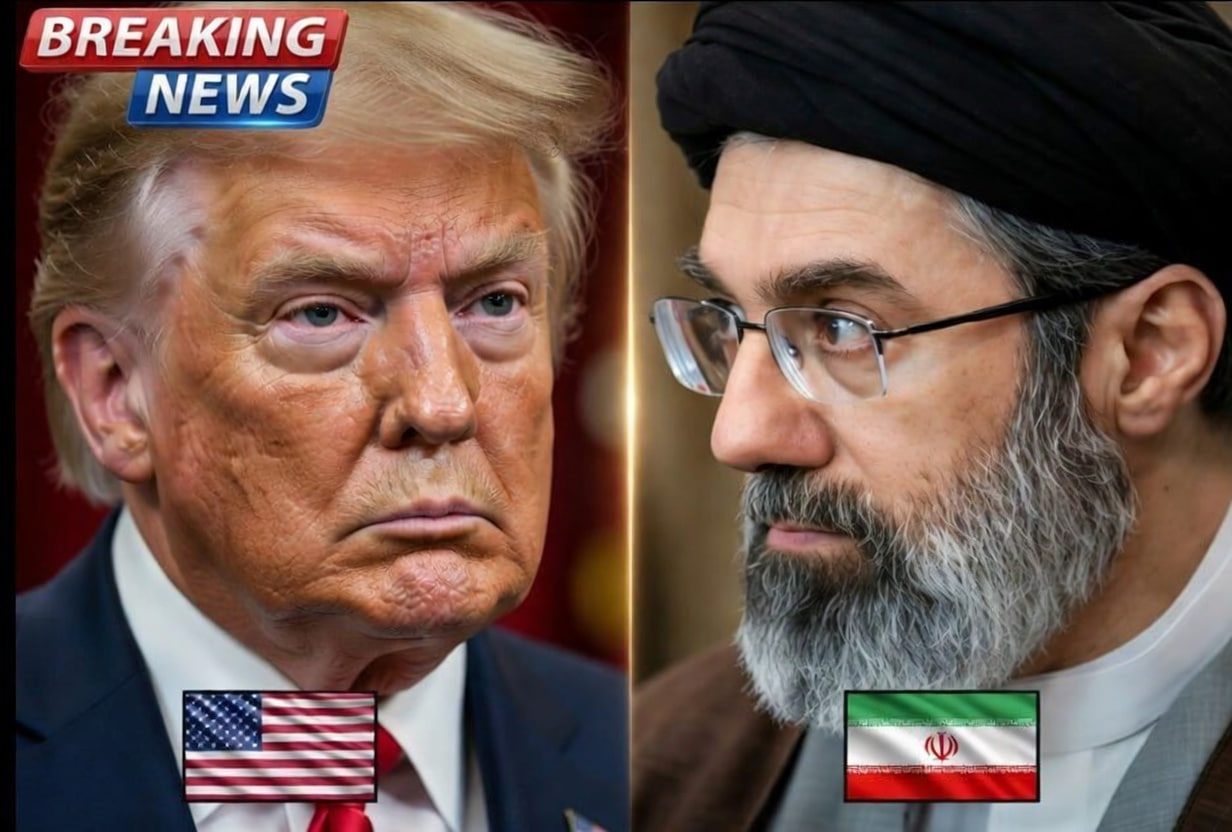
Following recent provocative remarks by Donald Trump, Iran has issued a firm warning that signals a potentially significant shift in the dynamics of regional tensions. Iranian officials have drawn a clear and uncompromising red line around the country’s power plants and broader energy infrastructure, stating that any attack on these facilities would trigger immediate retaliation. This message suggests a strategic recalibration in Tehran’s posture.
This message suggests a strategic recalibration in Tehran’s posture
Following recent provocative remarks by Donald Trump, Iran has issued a firm warning that signals a potentially significant shift in the dynamics of regional tensions. Iranian officials have drawn a clear and uncompromising red line around the country’s power plants and broader energy infrastructure, stating that any attack on these facilities would trigger immediate retaliation. This message suggests a strategic recalibration in Tehran’s posture. Whereas Iran has previously exercised restraint regarding civilian and industrial targets, officials now indicate those limitations could be lifted if the nation’s energy grid is threatened. The warning reflects both a deterrent strategy and a willingness to redefine what Iran considers acceptable boundaries in an already fragile regional environment.
The current climate raises concerns about dangerous miscalculations. With both sides appearing to test these newly articulated limits, even relatively minor incidents could escalate quickly into broader confrontation. Tehran’s message also highlights the humanitarian risks associated with targeting critical infrastructure. Disruptions to energy systems can have immediate consequences for hospitals, water treatment facilities, and emergency response services. Such impacts extend far beyond military objectives, potentially placing civilian populations at risk and compounding instability in already vulnerable communities.
Beyond the immediate region, the potential consequences carry global significance
Beyond the immediate region, the potential consequences carry global significance. The Middle East remains a central hub for global energy production and transportation. Damage to major energy infrastructure could ripple through international markets, affecting supply chains, increasing fuel costs, and fueling broader economic uncertainty. By emphasizing these risks, Iran appears to be framing attacks on its energy assets not only as military provocations but also as actions that could trigger worldwide economic and humanitarian consequences.
At the same time, evolving narratives from multiple actors are being used to justify possible
At the same time, evolving narratives from multiple actors are being used to justify possible military responses, further intensing tensions and complicating diplomatic efforts. As rhetoric sharpens, the balance between deterrence, humanitarian considerations, and global economic stability becomes increasingly delicate. Observers caution that misjudgments or misinterpretations could rapidly escalate into wider conflict, underscoring how carefully calibrated responses—or missteps—may shape both regional security and global perceptions in the weeks ahead.