The U.S. Supreme Court supported a delivery truck driver’s attempt to extend the list of interstate commerce employees who are exempt from the requirement of mandatory arbitration of legal disputes beyond those working for transportation companies
Supreme Court supported a delivery truck driver’s attempt to extend the list of interstate commerce
The U.S. Supreme Court supported a delivery truck driver’s attempt to extend the list of interstate commerce employees who are exempt from the requirement of mandatory arbitration of legal disputes beyond those working for transportation companies.
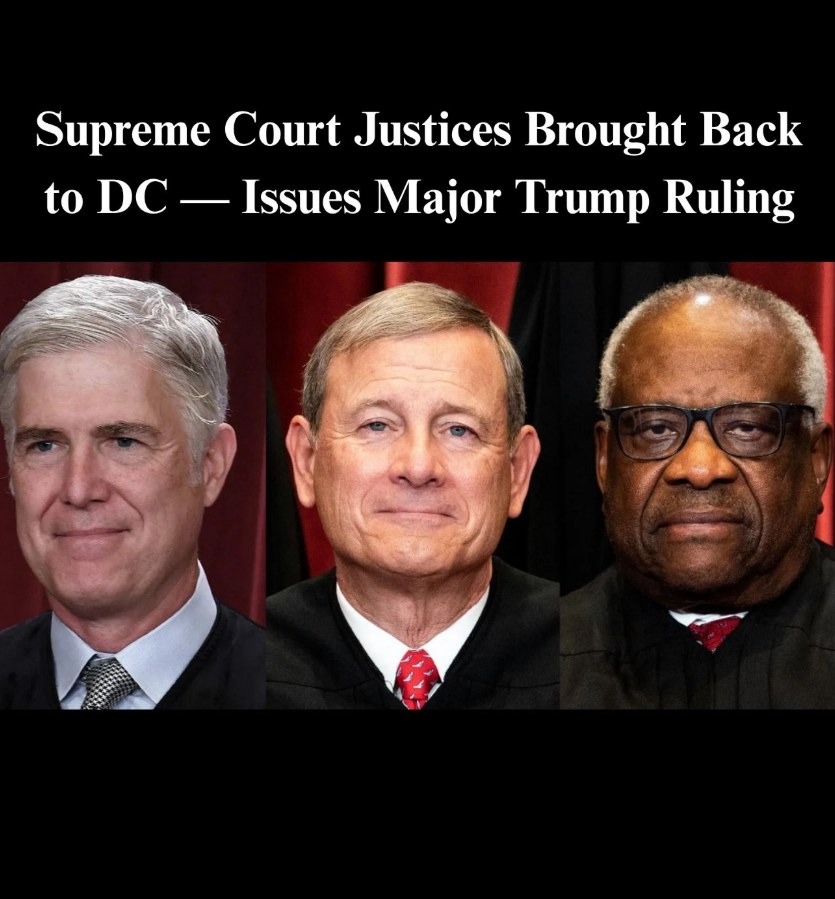
In a 9-0 decision, the justices overturned a lower court’s decision to dismiss Neal Bissonette’s proposed class action lawsuit. Bissonette works as a delivery driver for LePage Bakeries on Park Street, a division of Wonder Bread manufacturer Flowers Foods.
According to Bissonette, Flowers Foods treats its drivers more like independent contractors than like employees, depriving them of their wages.
“Many companies require workers to sign arbitration agreements and claim individual arbitration is quicker and more efficient than resolving disputes in court. Critics of the practice have said it prevents companies from being held accountable for legal violations that affect large numbers of workers,” Reuters reported.
Exemptions from this rule apply to employment contracts “of seamen, railroad employees, and any other class of workers engaged in foreign or interstate commerce.”
The Federal Arbitration Act (FAA), which dates back to 1925, mandates that arbitration agreements be enforced based on their terms.
“The Supreme Court, in a 2001 ruling, said the exemption applied only to transportation workers. Since then, appeals courts have split over whether that means any worker who transports goods or only those employed by companies that provide transportation services,” the outlet added.
Because LePage’s clients were buying bread and not transportation services, the 2nd U.S
Because LePage’s clients were buying bread and not transportation services, the 2nd U.S. Circuit Court of Appeals in New York determined in 2022 that the exemption did not apply to LePage’s case.
Bissonette accused LePage of misclassifying drivers as independent contractors to deny them minimum wage, overtime compensation, and other legal protections while they delivered baked goods to retailers.
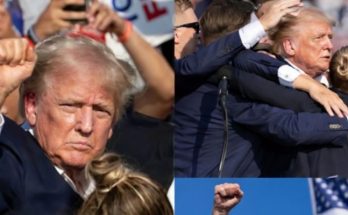
President Trump took the unprecedented step of attending oral arguments before the U.S. Supreme Court on Wednesday as his administration fights to uphold his early executive order banning birthright citizenship.
As justices deliberated over the constitutionality of his order aiming to terminate birthright citizenship for children born in the United States to parents who are either temporarily or illegally in the country, he departed.
Before the plaintiff started presenting her case, Trump left soon after Solicitor General John Sauer finished his presentation, seemingly only attending the government’s portion of the arguments. He is the first president in office to attend the nation’s highest court’s oral arguments.
The top representative of the federal government before the Supreme Court is D. John Sauer, the U.S. solicitor general. After serving as Missouri’s solicitor general from 2017 to 2023, he was appointed to the position by President Trump and assumed office in April 2025.
The Supreme Court case concerns whether children born in the United States to parents who are not legally present automatically become citizens of the United States, as well as the extent of birthright citizenship under the U.S. Constitution.
Although precedent has long been thought to have resolved the matter, legal challenges aiming to
Although precedent has long been thought to have resolved the matter, legal challenges aiming to restrict that interpretation have brought it back to life.
The Supreme Court announced in December it would hear arguments in a case challenging birthright citizenship, the constitutional principle that grants U.S. citizenship to nearly all children born on American soil as laid out in the Fourteenth Amendment.
The case centers on a statutory and constitutional question over whether the amendment’s Citizenship Clause applies to children born in the United States to parents who are not legal permanent residents. The plaintiffs argue that the original meaning of the clause does not extend automatic citizenship to children of parents in the country illegally.
The justices agreed to take up the appeal after lower courts rejected constitutional challenges brought by a group of petitioners who had sought to limit birthright citizenship.
Oral arguments are expected to focus on historical evidence and interpretations of the 14th Amendment’s text and intent of Congress at the time the post-Civil War measure was ratified.
The case, Trump v. Barbara, challenges the legality of an executive order issued by Trump his first day back in office, January 20, 2025. The order terminates automatic citizenship for children born in the United States to parents who are in the country without lawful status or who are only temporarily present.