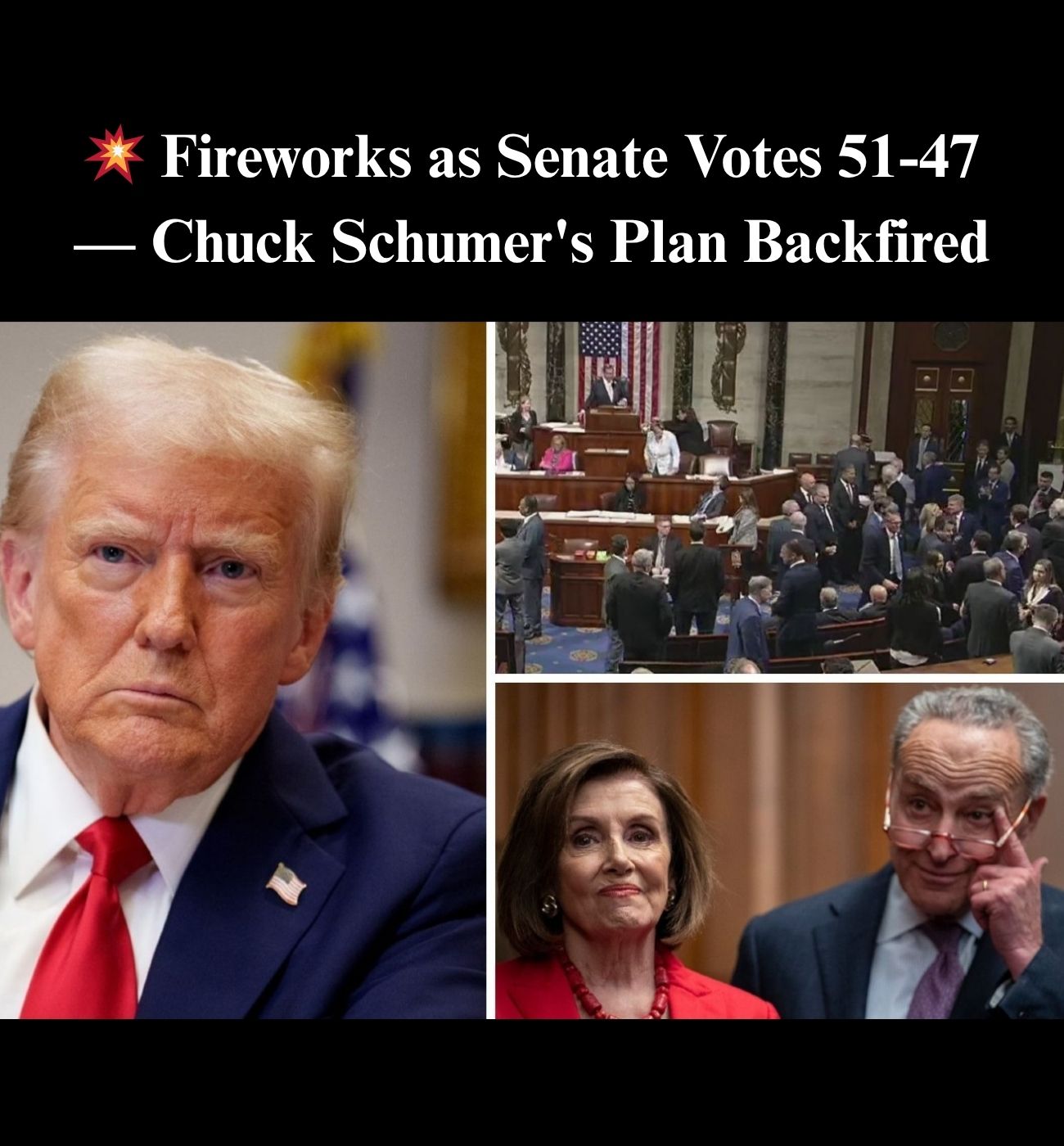
Senate Republicans on Tuesday rejected a Democratic-backed resolution that would have required President Donald Trump to seek congressional approval before escalating U.S. actions against Cuba. The procedural vote passed 51-47, effectively blocking the measure from advancing.
The resolution, introduced by Sen. Tim Kaine, aimed to limit the president’s authority under the War Powers Act by requiring approval from Congress before any military action against the island nation. Democrats argued that current U.S. actions, including enforcement tied to sanctions and disruptions to fuel shipments, amounted to hostilities, Kaine said, Military.com reported.
Republicans moved to block the resolution, arguing it was out of order because the United States is not engaged in active military conflict with Cuba. Sen. Rick Scott said a war powers vote was unnecessary because no U.S. troops have been deployed, Scott said.
The vote largely followed party lines, though Sen. John Fetterman joined Republicans in voting to dismiss the measure. Republican Sens. Susan Collins and Rand Paul sided with Democrats, opposing the motion, according to the vote tally.
Democrats said the resolution was necessary to prevent the president from launching military action without congressional oversight. They also pointed to previous efforts to limit Trump’s authority in conflicts involving Iran and Venezuela, which have similarly failed, lawmakers said.
Kaine argued that U.S. actions toward Cuba have contributed to worsening humanitarian conditions on the island. He said those actions have disrupted access to fuel, water and medical services, creating what he described as a humanitarian crisis, Kaine said.
Republicans defended the administration’s approach, saying it is aimed at pressuring Cuba’s leadership to enact political and economic reforms. Scott said the United States should support efforts to promote democracy and human rights in the region, Scott said.
The debate comes as Trump has increasingly signaled that Cuba could become a focus of his foreign policy agenda following recent military operations elsewhere. The president has tied his approach to broader efforts to project American strength abroad, Trump said.
🚨 NEW: The Democrat attempt to BLOCK President Trump from a military operation in Cuba has been SMACKED DOWN by the US Senate, 51-47
Democrats have once again been reminded the Commander-in-Chief is Donald J. Trump. pic.twitter.com/amlVUMQ8bl
— Nick Sortor (@nicksortor) April 28, 2026
🚨 ANOTHER TRUMP W!
US Senate just CRUSHED a Democrat resolution 51-47 that tried to block President Trump from taking military action against Cuba.
CUBA IS NEXT pic.twitter.com/a6uI2PJAIA
— Gunther Eagleman™ (@GuntherEagleman) April 28, 2026
Why the hell would the Senate try to BLOCK Trump from freeing Cuba from communism?
INSANITY OF THE HIGHEST ORDER! https://t.co/Mqm3wxvbZf
— Joey Mannarino (@JoeyMannarino) April 28, 2026
Senate rejects bid to check Trump on Cuba https://t.co/0CYBtlVFVK
— POLITICO (@politico) April 28, 2026
Speaking Friday in Phoenix, Arizona, at an event organized by Turning Point USA, Trump said change in Cuba could come soon. He linked the issue to recent operations involving Iran and suggested similar pressure could be applied to the island nation, Trump said.
“And very soon, this great strength will also bring about a day 70 years in waiting. It’s called A New Dawn for Cuba,” Trump said. “We’re going to help them out with Cuba,” Trump said.
Trump also referenced Cuban American communities while discussing the issue. He said many had experienced persecution under Cuba’s government and indicated that his administration was monitoring developments closely, Trump said.
“We have a lot of great Cuban Americans,” Trump said. “You go to Miami, we have people, Cuban Americans, people that were brutally treated, whose families were killed, brutalized, and now watch,” Trump said.
In recent days, Trump has described Cuba as a nation “in free fall.” He has also said that after addressing ongoing conflicts involving Iran, his administration would turn its attention to Cuba, Trump said.