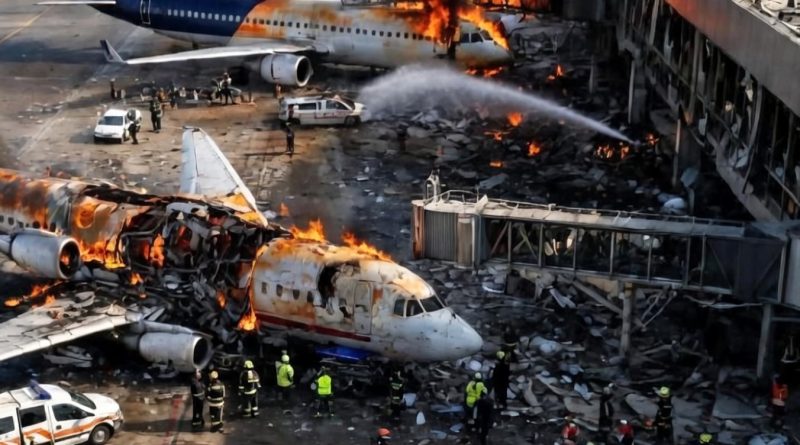
The missile attack is part of a broader escalation that has intensified since early 2026. Iran has conducted multiple strikes targeting Israeli cities, as well as facilities connected to the United States and its regional partners. Reported targets have included locations in Kuwait, Bahrain, United Arab Emirates, and Saudi Arabia. These actions followed a series of high-profile assassinations of Iranian officials, which Tehran has vowed to avenge.
In response, Israel and the United States have carried out airstrikes inside Iran, targeting military installations and nuclear-related infrastructure. The exchange highlights a widening strategic confrontation, with both sides signaling a willingness to continue military operations. Israel’s missile defense systems, including Iron Dome and Arrow-3, have intercepted many incoming projectiles. However, the volume of missiles and the reported use of cluster warheads have complicated defensive efforts, increasing the risk to civilian areas.
Civilians across the region continue to face mounting danger, with reports of casualties and property damage growing. The broader global impact is already becoming evident. Energy markets have surged amid attacks on Gulf infrastructure, and international concern is rising over the possibility of further escalation. Diplomatic efforts have so far failed to halt hostilities, with both Iran and Israel signaling continued military readiness, leaving the region in a state of heightened tension and uncertainty.