The U.S. Supreme Court delivered a major victory to a Mississippi death row inmate Wednesday, vacating his capital murder conviction and death sentence in a narrow 5-4 decision that critics say further complicates efforts to enforce the death penalty.
The nation’s highest court held that Terry Pitchford was denied a fair opportunity to challenge the prosecution’s removal of black jurors during his trial.
The ruling in Pitchford v. Cain sends the case back to Mississippi, where prosecutors can choose to pursue a new trial.
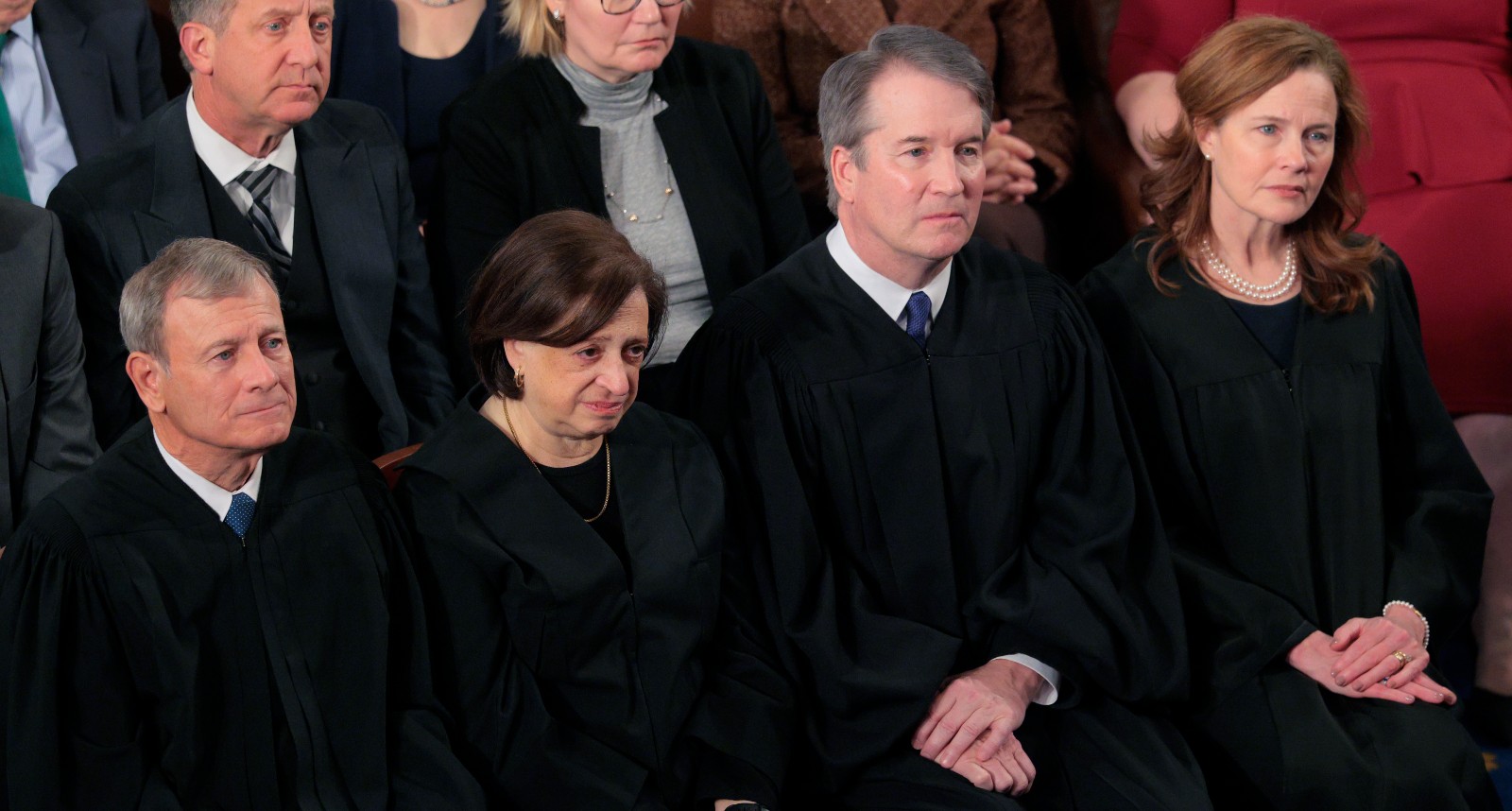
Justice Brett Kavanaugh authored the majority opinion, joined by Chief Justice John Roberts and the Court’s three liberal justices—Sonia Sotomayor, Elena Kagan, and Ketanji Brown Jackson.
Kavanaugh wrote in the majority opinion, “In this case, whether due to confusion, oversight, an overly hurried jury selection process, or some other cause, things broke down, and the ordinary trial-court procedure for resolving Batson claims at step three never occurred — notwithstanding the repeated efforts of Pitchford’s counsel to pursue and preserve the Batson objection.”
The unusual coalition once again highlighted the increasingly unpredictable nature of Supreme Court alignments, particularly in criminal procedure and jury-selection cases.
Dissenting were Justices Clarence Thomas, Samuel Alito, Neil Gorsuch, and Amy Coney Barrett, who argued that the lower courts had properly handled the case and that the conviction should have remained intact.
Gorsuch wrote in the dissenting opinion, “Today, the Court looks past those constraints, and its own admonitions, to issue a judgment that AEDPA precludes. Respectfully, I dissent.”
The case centers on a brutal 2004 robbery-murder at a grocery store in Grenada, Miss.
Pitchford, then 18, and 16-year-old accomplice Eric Bullins carried out the crime.
Prosecutors said Bullins fired the shots that killed the store’s white owner, Reuben Britt. Bullins, a juvenile, received a 20-year sentence. Pitchford was convicted of capital murder and sentenced to death.
The dispute focused on jury selection under the Supreme Court’s 1986 Batson v. Kentucky precedent, which bars prosecutors from striking jurors based solely on race.
Then-District Attorney Doug Evans used peremptory strikes to remove four of five black prospective jurors, offering race-neutral explanations such as one returning late from lunch, family criminal histories, and demographic similarities to the defendant.
The Supreme Court’s ruling does not address Pitchford’s guilt or innocence but found the trial judge failed to give the defense a meaningful chance to contest those explanations before seating the jury, which consisted of 11 white jurors and one black juror.
This decision underscores ongoing tensions at the Supreme Court over how strictly to apply Batson challenges decades after a conviction, potentially opening the door for more death row appeals based on jury selection technicalities rather than new evidence of innocence.
Conservatives have long argued that aggressive use of Batson claims can tie prosecutors’ hands, allowing defendants to exploit demographic mismatches to delay justice for victims.
In this case, the ruling effectively gives Pitchford—convicted in the cold-blooded killing of a store owner during an armed robbery—another bite at the apple more than 20 years later, which critics say weakens deterrence and prolongs suffering for the victim’s family.
What happens next is now up to Mississippi authorities.
Prosecutors in the district attorney’s office must decide whether to retry Pitchford, which could involve reassembling witnesses, re-examining old evidence, and navigating fresh jury selection under stricter scrutiny.
A new trial might take months or years to prepare, adding significant costs to taxpayers. If they decline to retry him, Pitchford could face a lesser sentence or potentially be released, though that remains unlikely given the severity of the crime.
The case returns to state court, where Pitchford’s legal team will likely push for dismissal or a plea deal, while law-and-order advocates will watch closely to see if the ruling signals a broader softening of capital punishment enforcement nationwide.
Legal experts expect similar Batson-related appeals to increase, testing the limits of the Court’s willingness to revisit long-final convictions.