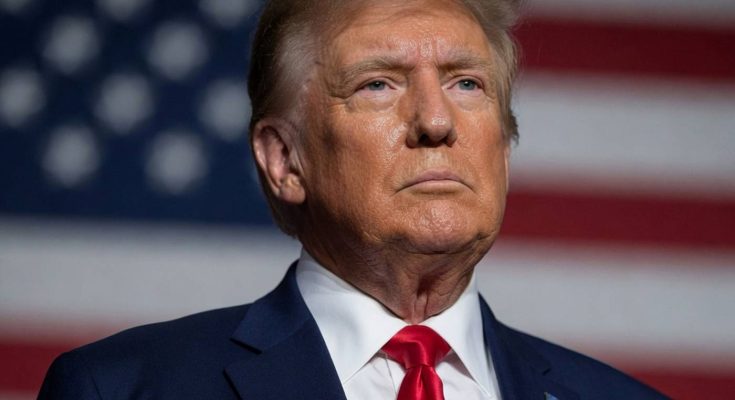
Former President Donald Trump’s effort to revisit the U.S. census process and exclude illegal immigrants from population counts could have significant consequences for congressional representation and the allocation of federal resources. Supporters of the proposal argue that the current census methodology counts all residents regardless of citizenship status, which can increase the population totals of states with large numbers of illegal immigrants.
Because seats in the U.S. House of Representatives are apportioned based on population figures from the census, states with substantial non-citizen populations may gain additional political influence under the existing system. Advocates of a citizen-only count contend that this creates an imbalance in representation by giving greater weight to areas with higher concentrations of illegal immigration. They argue that congressional districts should be drawn based on the number of American citizens rather than the total resident population.
The debate also extends to federal funding formulas, which rely heavily on census data to distribute billions of dollars for infrastructure, education, healthcare, and other government programs. Supporters of Trump’s proposal believe that counting only citizens would lead to a fairer distribution of these resources by directing them according to the citizen population rather than including individuals who are in the country illegally.
Many of the states most affected by such a change are considered Democratic-leaning and have larger immigrant populations. Proponents argue that a citizen-only census would restore political representation and federal funding to what they view as its proper basis: the American citizens who are legally entitled to participate in the nation’s democratic process and governance.