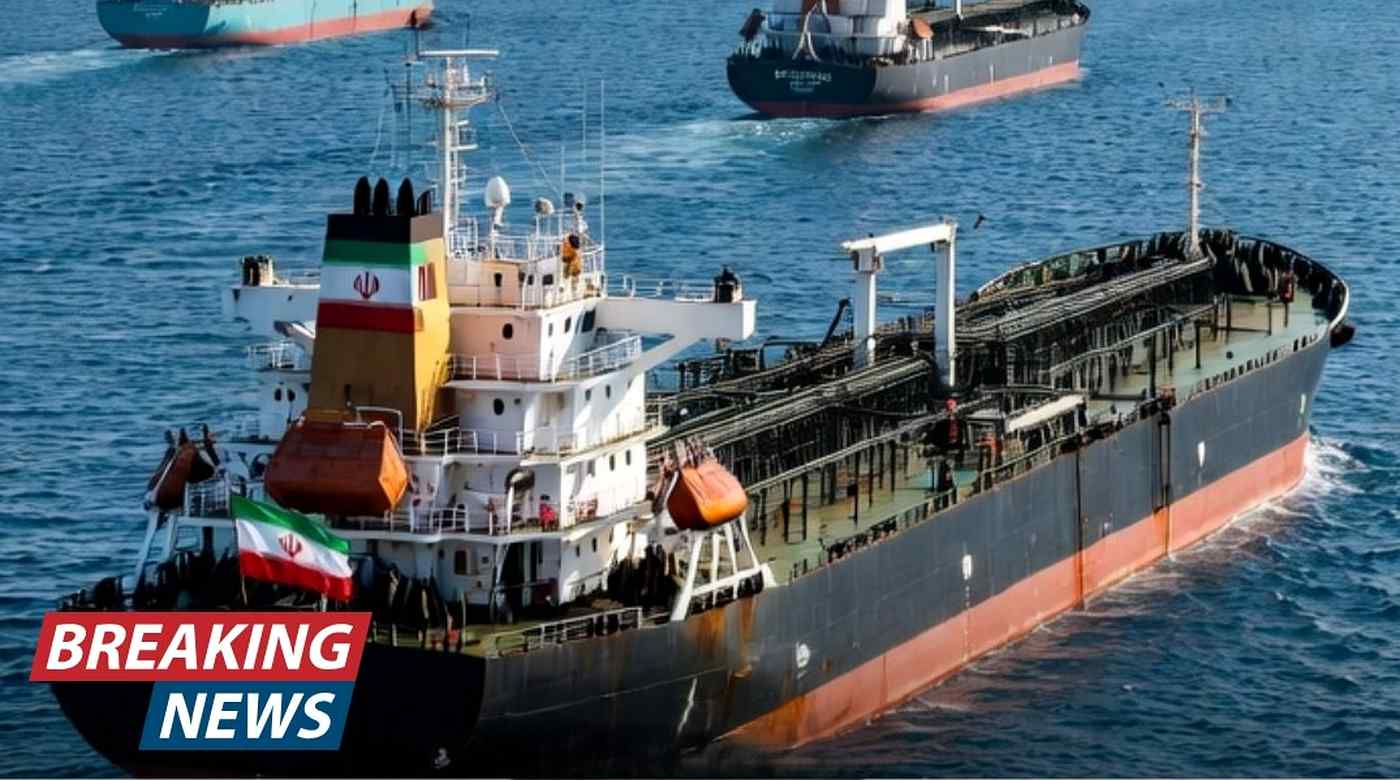
The battle for control over global energy supplies has reached a fever pitch as new reports reveal that at least 34 tankers with ties to Iran have successfully bypassed the United States’ naval blockade. Despite the Trump administration’s declaration of the blockade as a “tremendous success,” tracking data from groups like Vortexa and Lloyd’s List tells a different story.
The battle for control over global energy supplies has reached a fever pitch as new
The battle for control over global energy supplies has reached a fever pitch as new reports reveal that at least 34 tankers with ties to Iran have successfully bypassed the United States’ naval blockade. Despite the Trump administration’s declaration of the blockade as a “tremendous success,” tracking data from groups like Vortexa and Lloyd’s List tells a different story. These vessels—many part of a sophisticated “shadow fleet”—have managed to slip through restricted waters, with at least six tankers confirmed to be carrying over 10 million barrels of crude oil. By disabling transponders and utilizing ship-to-ship transfers in the Indo-Pacific, these “ghost ships” are reportedly generating nearly $1 billion in revenue, directly challenging Washington’s efforts to pressure Tehran into a final peace deal.
seizure and Iranian retaliation
As the U.S. Navy expands its enforcement to the high seas, the situation in the Strait of Hormuz remains a “double blockade.” While American forces work to turn back vessels entering Iranian ports, Iran maintains its own grip on the waterway, demanding that all commercial traffic follow IRGC-mandated routes. This maritime chess match has left the global shipping industry in limbo, with hundreds of crews caught between the threat of U.S. seizure and Iranian retaliation. With the April 2026 ceasefire deadline approaching, the world is watching to see if these cracks in the blockade will undermine diplomatic negotiations or lead to a further escalation of the conflict.