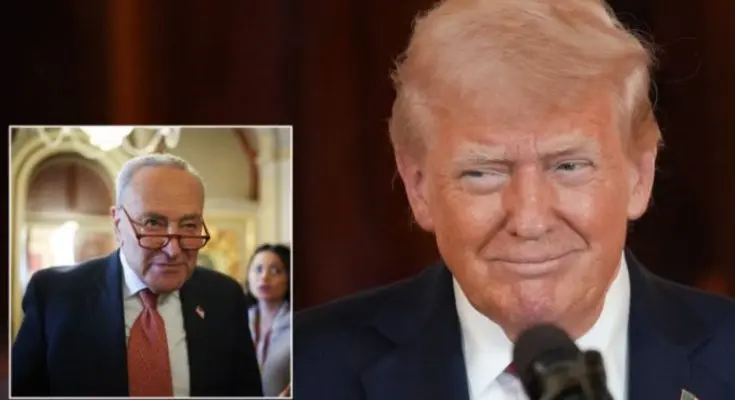
The US Senate confirmed Kevin Warsh to the Federal Reserve Board in a 51-45 vote, advancing President Trump’s major economic policy agenda.
Trump’s Federal Reserve Push and Republican Redistricting Wins Intensify 2026 Political Battle
WASHINGTON — President Donald Trump’s effort to reshape the nation’s economic and political landscape gained momentum this week as the Senate confirmed Kevin Warsh to the Federal Reserve Board of Governors, while Republican-backed congressional maps in Missouri received a major legal victory.
The Senate voted 51-45 to confirm Warsh, a former Federal Reserve governor who served from 2006 to 2011. His confirmation represents an important step in Trump’s effort to influence the direction of the central bank as the administration continues pressing for lower interest rates and policies aimed at supporting economic growth.
Warsh has long criticized aspects of the Federal Reserve’s approach to monetary policy, including the size of its balance sheet, bank regulation and the way the institution communicates with financial markets. At the same time, he has emphasized that the Fed must remain independent when making decisions about interest rates.
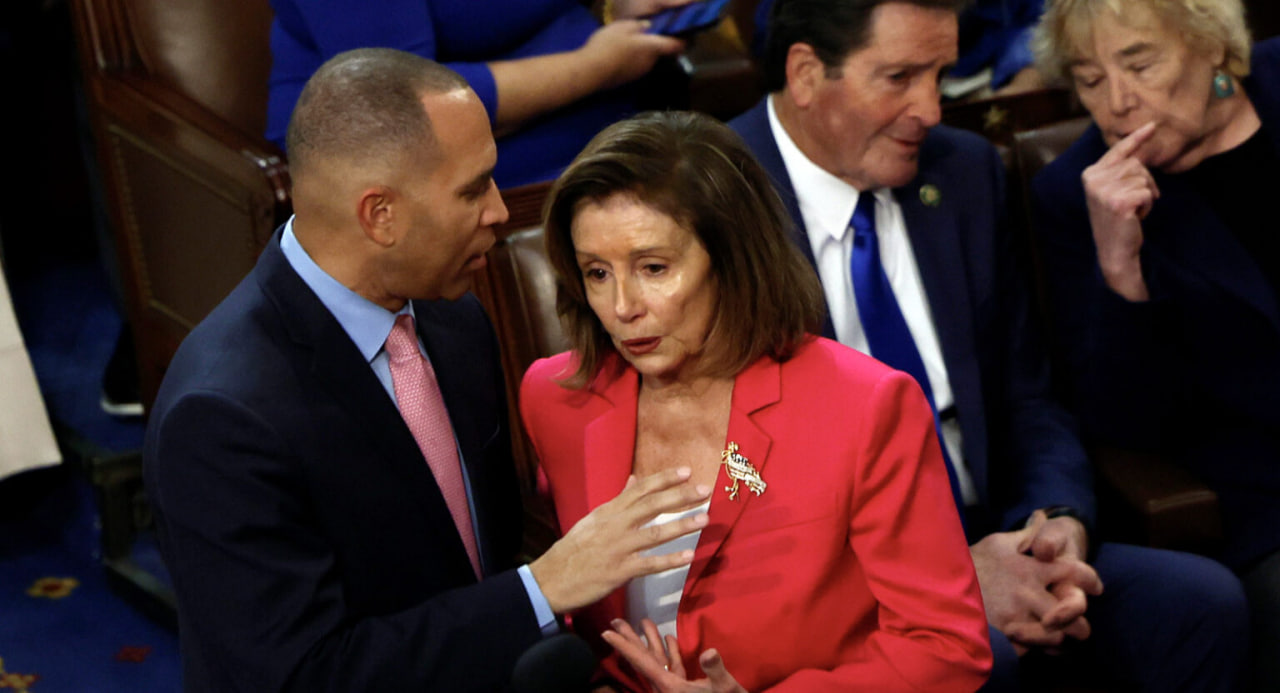
During his confirmation process, Warsh pledged that he would act independently if selected to lead the central bank. His nomination to the Board of Governors comes as Jerome Powell’s term as Fed chair approaches its conclusion.
Warsh’s confirmation does not automatically make him chair. The Senate will still have to vote separately on his nomination for that position. If confirmed, he would take over at a pivotal moment, with policymakers facing the competing challenges of controlling inflation, supporting economic activity and responding to political pressure for lower borrowing costs.
Warsh will serve alongside governors appointed by both Trump and former President Joe Biden, leaving the Federal Reserve with a politically mixed leadership structure. Powell’s term as a governor continues beyond his tenure as chair, although questions remain about how long he will remain active at the central bank after stepping down from the leadership position.
The Fed’s next direction will be closely watched by investors, businesses and consumers. Interest rates influence everything from mortgages and credit cards to business investment and financial markets, making the transition particularly significant for the broader economy.
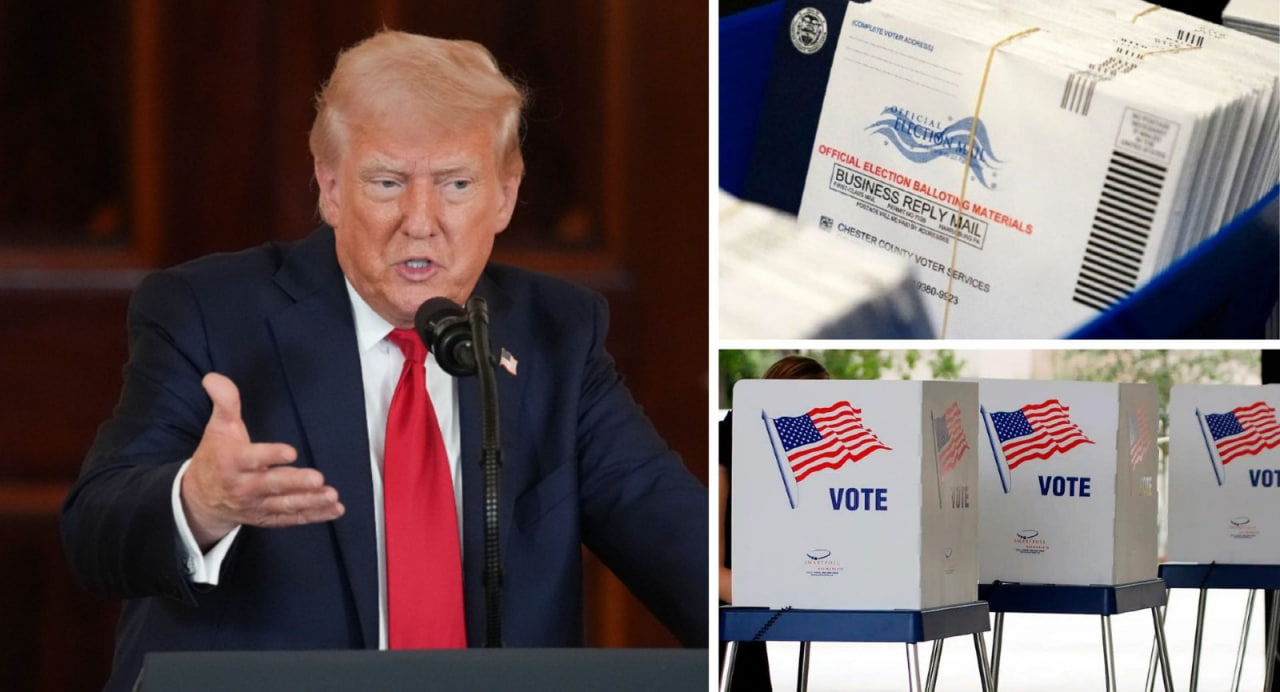
Meanwhile, another major political battle is unfolding over congressional redistricting.
In Missouri, the state Supreme Court unanimously upheld a new congressional map, rejecting multiple legal challenges and allowing the boundaries to proceed toward the 2026 elections. The decision represents a significant victory for Republicans, who have sought to strengthen their position in the closely divided U.S. House.
The new Missouri map alters the Kansas City-area district currently represented by Democratic Rep. Emanuel Cleaver by adding more rural and Republican-leaning territory. The change could make the district substantially more competitive and potentially give Republicans another opportunity to gain a House seat.
Republican Gov. Mike Kehoe praised the court’s decision, describing it as a major victory for Missouri voters. Republican leaders have argued that the new boundaries reflect the state’s political geography and strengthen election representation.
Voting-rights organizations, however, strongly criticized the ruling. The Campaign Legal Center, the ACLU Voting Rights Project and the ACLU of Missouri argued that the new map undermines the principle of fair representation and vowed to continue challenging the boundaries.
Missouri’s redistricting fight is part of a much larger national battle over control of the House. Both Republicans and Democrats have pursued mid-decade redistricting strategies as narrow congressional margins have made individual districts increasingly important.
Republicans have already advanced favorable maps in several states, including Texas, Florida, Ohio and North Carolina, while Democrats have pursued their own redistricting efforts in states including California and Utah.
The situation in Virginia has added another layer to the national fight. A ruling by the Supreme Court of Virginia invalidated a recently approved redistricting amendment after determining that lawmakers had failed to follow required procedures. Democratic officials have criticized the ruling and pursued legal avenues to challenge the decision.
The dispute highlights the increasingly aggressive efforts by both parties to shape congressional boundaries before the 2026 midterm elections. With control of the House expected to be determined by a small number of competitive districts, redistricting has become one of the most consequential political battles of the election cycle.
Taken together, the Federal Reserve confirmation and the continuing redistricting disputes underscore the high stakes surrounding the 2026 political landscape. Trump’s administration is seeking greater influence over economic policy, while Republicans and Democrats are fighting state by state over the congressional boundaries that could determine control of Washington.
With the midterms approaching, battles over monetary policy, judicial decisions and congressional maps are likely to remain at the center of the national political debate.